

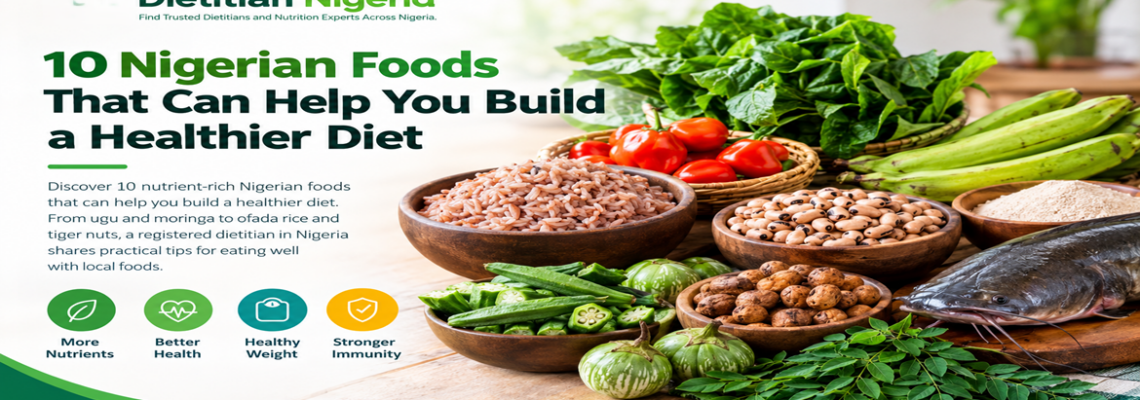
10 Nigerian Foods That Can Help You Build a Healthier Diet
- September 16, 2026
- 0 Likes
- 12 Views
- 0 Comments
Meta Description: Discover 10 nutrient-rich Nigerian foods that can help you build a healthier diet. From ugu and moringa to ofada rice and tiger nuts, a registered dietitian in Nigeria shares practical tips for eating well with local foods.
Eating healthy does not have to mean abandoning the foods you grew up with. In fact, some of the most powerful ingredients for a healthier diet are already sitting in your kitchen or sold at your local market. As a dietitian practising in Nigeria, I often remind my clients that good nutrition is not about imported “superfoods” — it is about understanding the value of what is locally available and using it wisely.
In this article, we explore 10 Nigerian foods that can genuinely transform your diet, backed by nutritional science and practical for everyday Nigerian cooking.
1. Ugu (Fluted Pumpkin Leaves)
Ugu is one of Nigeria’s most underrated nutritional treasures. Rich in iron, calcium, folate, and vitamin A, ugu supports blood health, strong bones, and good vision. Its high fibre content also aids digestion and helps you feel full for longer, which is helpful for weight management.
How to use it: Add fresh ugu to edikang ikong, egusi soup, or blend it into smoothies and omelettes for a nutrient boost.
2. Beans (Ewa)
Beans are a true Nigerian staple and one of the most affordable sources of plant-based protein. A serving of beans provides protein, complex carbohydrates, iron, magnesium, and soluble fibre, which helps regulate blood sugar and cholesterol levels.
How to use it: Beyond the classic ewa agoyin, try moin moin, akara (baked instead of fried), or bean porridge with unripe plantain.
3. Unripe Plantain
Unripe plantain is a resistant-starch powerhouse. Unlike ripe plantain, the unripe version digests slowly, keeping blood sugar stable and promoting gut health. It is also rich in potassium, which supports healthy blood pressure.
How to use it: Boil or roast unripe plantain and pair it with peppered fish or vegetable sauce instead of frying.
4. Moringa (Zogale)
Often called the “miracle tree,” moringa leaves are loaded with vitamin C, calcium, potassium, and antioxidants. Regular consumption may support immunity, energy levels, and blood sugar control.
How to use it: Add dried moringa powder to pap (ogi), tea, soups, or smoothies. Fresh moringa leaves can also be cooked into soups like other leafy vegetables.
5. Ofada Rice (Brown Rice)
Unlike polished white rice, ofada rice retains its bran and germ, meaning it keeps its fibre, B vitamins, and minerals. Its lower glycemic impact makes it a smarter choice for people managing diabetes or trying to lose weight.
How to use it: Serve ofada rice with ayamase sauce and a generous portion of steamed vegetables for a balanced meal.
6. Okra (Ila)
Okra is rich in soluble fibre, vitamin C, vitamin K, and folate. Its fibre helps slow sugar absorption and supports digestive health. In traditional medicine, okra water is even used to support blood sugar management.
How to use it: Prepare okra soup with minimal oil, or add chopped okra to stews and ogbono for extra texture and nutrition.
7. Tiger Nuts (Aya)
Tiger nuts are not actually nuts — they are tubers, which makes them suitable for many people with nut allergies. They are an excellent source of resistant starch, healthy fats, and iron, and the popular kunun aya (tiger nut milk) is a refreshing, nutrient-dense drink.
How to use it: Snack on dried tiger nuts in moderation or blend them into kunun aya without added sugar.
8. Guinea Corn (Sorghum)
Guinea corn is a gluten-free whole grain rich in fibre, antioxidants, and slow-releasing carbohydrates. It supports digestive health and sustained energy, making it especially valuable for children and adults alike.
How to use it: Use guinea corn flour for pap (ogi baba), tuwo, or porridge, and combine it with millet and soya for a richer breakfast cereal.
9. Garden Egg (Igba)
Garden eggs are low in calories but high in fibre, potassium, and antioxidants like nasunin, which supports heart and brain health. They are a perfect snack for anyone working toward weight loss.
How to use it: Eat garden eggs raw with groundnut paste, add them to stews, or blend roasted garden egg into dips.
10. Catfish
Catfish is a widely available, affordable source of lean protein and omega-3 fatty acids, which support heart health, brain function, and muscle maintenance. Compared to red meat, it is a lighter protein option that fits easily into a balanced Nigerian diet.
How to use it: Grill or oven-bake catfish with herbs and spices instead of deep-frying it in pepper soup or stew.
How to Build a Healthier Nigerian Diet: Practical Tips
Knowing the right foods is only half the battle. Here is how to put it all together:
-
Fill half your plate with vegetables — ugu, water leaf, ewedu, and okra should be daily staples, not occasional additions.
-
Choose whole grains over refined ones — swap white rice and white bread for ofada rice, guinea corn, oats, and sweet potato.
-
Watch your cooking methods — grilling, steaming, and boiling preserve nutrients far better than deep-frying.
-
Limit excess oil and salt — many Nigerian soups and stews can be made healthier simply by reducing oil and seasoning cubes.
-
Stay hydrated — replace sugary drinks with water, kunun aya, or zobo without added sugar.
Frequently Asked Questions (FAQs)
Can I lose weight eating Nigerian food? Yes. Nigerian foods like unripe plantain, beans, garden eggs, and leafy vegetables are naturally filling and nutrient-dense. Weight loss is about portion control and preparation methods, not foreign foods.
Is Nigerian food good for diabetics? Absolutely — when prepared wisely. Foods like unripe plantain, beans, ofada rice, and guinea corn have a gentler effect on blood sugar than refined staples.
How much do these healthy foods cost? Most of the foods on this list — beans, ugu, okra, garden eggs, and guinea corn — are among the most affordable items in any Nigerian market. Healthy eating in Nigeria is far cheaper than people assume.
Final Thoughts
Building a healthier diet does not require a complete lifestyle overhaul or expensive imported ingredients. By making small, consistent swaps — brown rice instead of white, more vegetables in your soup, grilled fish instead of fried — you can dramatically improve your health using foods that are authentically Nigerian.